
Types of Fostering
Understanding the various types of fostering placements will help you choose the most suitable path for supporting children, based on their individual needs and circumstances.
The fostering types outlined below form the basis of your fostering approval terms.
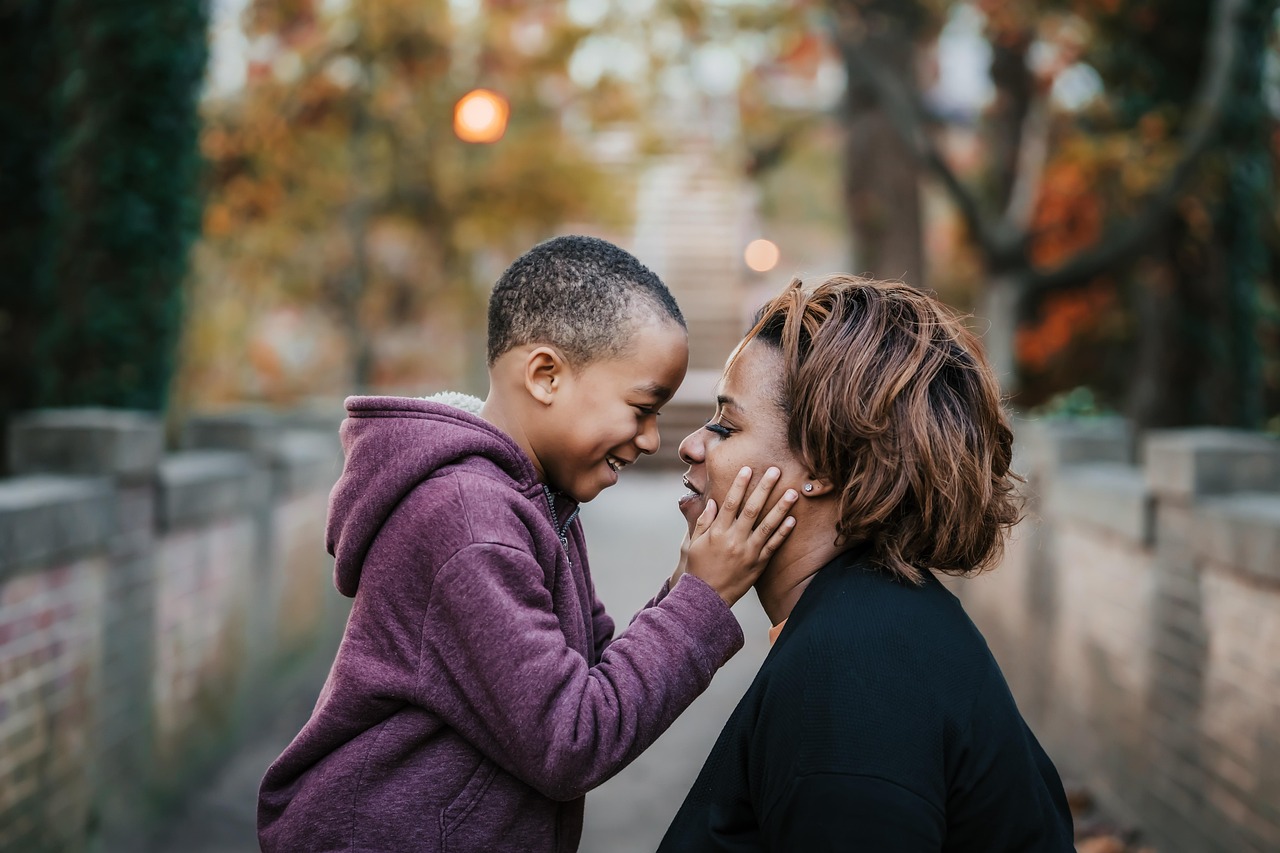
Different Types Of Fostering in UK
Short term placements last from one night up to a few months. They provide time to plan the best long term options for a child, including adoption or placement with family members. These placements may also support further assessment of needs or sometimes progress into long term arrangements.
Long term placements provide stability for children who remain with a foster family for several years, often until age 18. Children become part of family life, attend local schools, and feel safe and secure. These placements are carefully planned and matched.
Respite placements last from a day to a few weeks and give foster families a short break. They may also help support a child who benefits from time away from their usual environment. Respite is planned, and matching is important.
Emergency placements arise suddenly and usually take place the same day, with little or no notice. Sunbeam Fostering Northwest offers 24 hour support to help with emergencies and out of hours situations. Carers approved for emergency fostering should be prepared for unexpected placements.
Sibling fostering enables brothers and sisters to stay together, which is often in their best interests. Caring for siblings requires additional time, energy, and commitment, so experience and a strong support network are important.
A parent and their baby or young child live with a foster family in a safe and supportive home environment. These placements help the parent develop their parenting skills, build confidence, and learn how to meet their child's needs day to day.
Foster carers offer guidance, share their experience, and provide practical and emotional support to both the parent and child. You will work closely with professionals, including social workers, health visitors, and other specialists, to ensure the best outcomes for the family.
Parent and child placements often include a structured 12 week parenting assessment, which looks at the parent’s wellbeing, their ability to care for their child, and their future support needs.
These placements support child refugees or unaccompanied asylum seeking young people who may have experienced trauma or come from countries affected by conflict. Matching considers language, religion, diet, education, and health needs. Young people may also attend meetings and interviews about their legal status.
Therapeutic fostering supports the wellbeing of children who may have experienced neglect, abuse, trauma, or have higher behavioural or psychological needs. These placements can be more challenging and include specialist training, additional support, and therapeutic input.